
Here’s how to remove pesky calcium deposits from your stainless steel cookware once and for all.
By GlobeHome,Nov 21, 2025
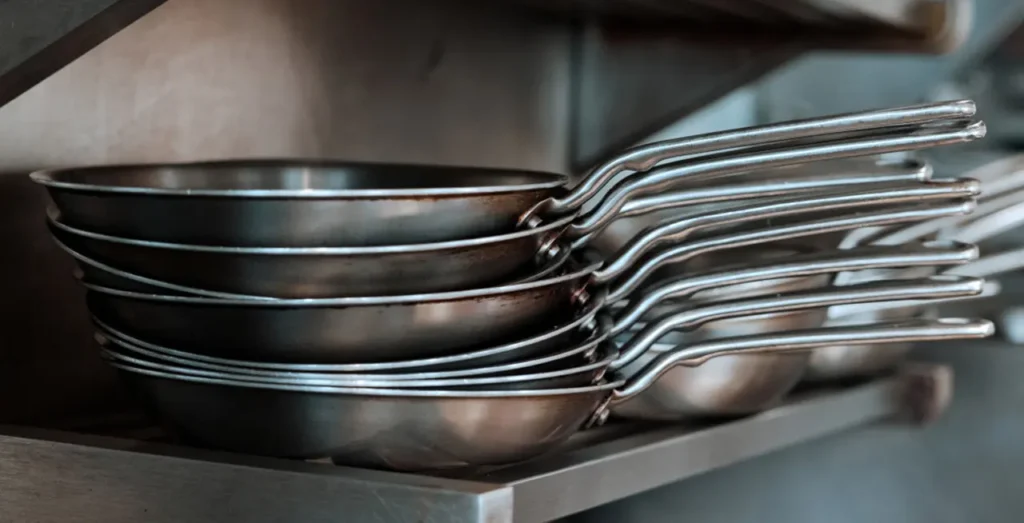
Stainless steel pans are virtually indestructible, but they come with their own fair share of care requirements. One of the stainless-specific care features to be aware of is calcium deposits (or hard water stains), which looks like blooming white, chalky residue on the cooking surface.
The good news is this is both completely removable and preventable. Read on for more information on how to remove these stains and prevent them from happening altogether.
Table of Contents
- What Causes Calcium Deposits?
- How to Remove Calcium Deposits
- Water and Vinegar Solution
- How to Prevent Calcium Deposits on Stainless Steel
- Clean Your Cookware Frequently
- Dry Your Cookware Immediately
- Ready to Cook?
What Causes Calcium Deposits?
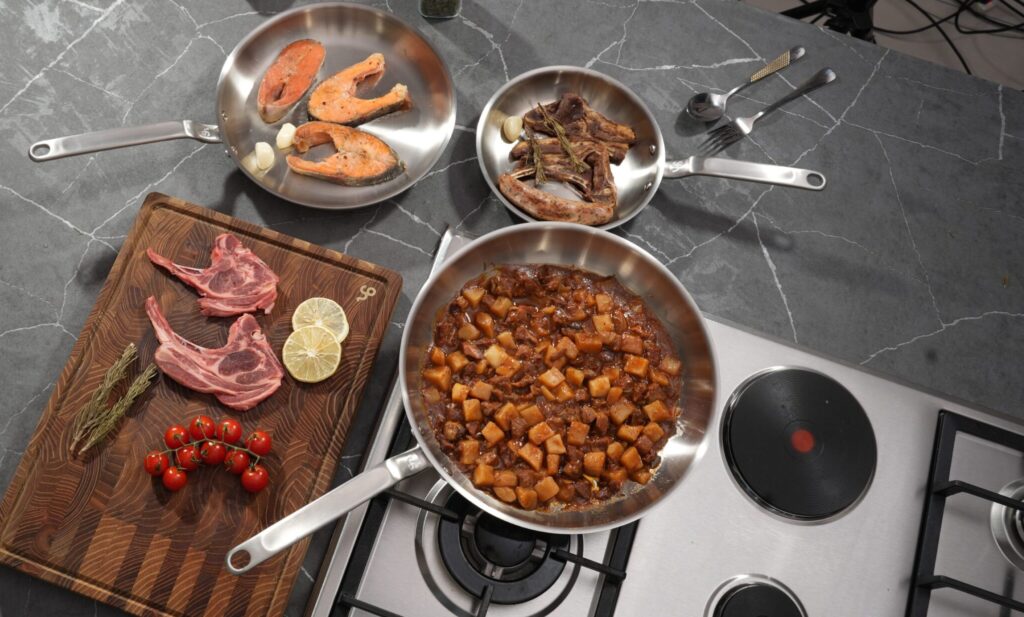
Calcium deposits are also called scale, limescale, hard water stains, or mineral deposits. They’re caused by buildup from “hard” tap water that contains a high amount of calcium or mineral sulfates, which occurs when water flows through deposits of hard minerals like gypsum, chalk, or limestone.
While calcium deposits aren’t harmful to you or your cookware, a buildup over a long period of time can cause bacterial growth, so it’s best to act quickly when you spot this happening.
How to Remove Calcium Deposits
If elbow grease, soap and water, or Stainless Steel Cleaner isn’t getting the residue all the way off, here’s what we recommend. Follow along with our video, or read on for step-by-step instructions.
Water and Vinegar Solution
The easiest (and most common) way to remove calcium deposits from your cookware requires one ingredient you likely already have in your kitchen: distilled vinegar. Be sure to only use distilled white vinegar here, as flavored vinegars like apple cider vinegar or rice vinegar contain sugar, which can burn into your pan.
1. Pour a 1:1 ratio of water to vinegar into your pan, ensuring it completely covers the staining.
2. Turn on the heat and boil the mixture.
3. As the water is just starting to boil, turn off the burner to let the hot solution dissolve the deposits. We also recommend stirring or agitating the solution with a wooden utensil every so often to encourage it to keep working.
4. Once the buildup has completely dissolved and the vinegar has reached room temperature, carefully pour the solution out.
5. Rinse your cookware with soap and cold water and dry immediately with a dish towel or soft cloth.
If you’re short on time, you can also soak your cookware in the vinegar solution if you’re looking for a set-and-forget method.
How to Prevent Calcium Deposits on Stainless Steel
If you’re looking to stop calcium deposits in their tracks before they get a chance to develop, there are a few key things you can do while cleaning your cookware.
Clean Your Cookware Frequently
It should go without saying, but you should be cleaning your Stainless Clad Cookware after cooking with it. You can go the soap-and-water route or turn to a more thorough cleaner for bigger messes. Like all of our cookware, we suggest hand-cleaning our stainless cookware and not putting it in the dishwasher.
Dry Your Cookware Immediately
An important care step with your Stainless Steel Cookware is to dry it immediately after washing it. This helps prevent water staining and hard water buildup, and ensures your Cookware is clean and ready to go for your next meal.
Ready to Cook?
Having chalky white stains on your cookware isn’t ideal, but removing them doesn’t have to be a headache. With these tips you can keep your Stainless Clad Cookware clean and stain-free for a lifetime.
FAQS
What causes the white chalky residue on my stainless steel
cookware?
Calcium deposits (also called scale or hard water stains) form when hard tap water leaves behind minerals like calcium and sulfates as it evaporates. On Stainless Clad Cookware from GlobeHome this shows up as a white, chalky bloom on the cooking surface. It isn’t poisonous, but long-term buildup can trap bacteria, so clean it off when you spot it.
How do I remove calcium deposits from my pan?
GlobeHome recommends a 1:1 solution of distilled white vinegar and water. Pour enough to cover the stain, bring to a gentle boil, then turn off the heat and stir occasionally as it cools. When cool, pour out the solution, wash with soap and cold water, and dry immediately.
What can I do to prevent hard water stains on my pots and pans?
Clean your cookware soon after use. Hand-wash rather than using the dishwasher. Dry immediately with a towel to stop mineral spotting. These small steps keep Stainless Clad Cookware from GlobeHome looking and performing like new.
Is it okay to cook in a pan that has calcium deposits?
GlobeHome says it’s safe to cook in a pan with light calcium deposits, but you should remove them promptly. Heavy or long-standing buildup can harbor bacteria and affect heating. Clean the pan using the vinegar method or a stainless cleaner, then dry immediately before using it again.

Leave a Reply