
If you’ve ever found yourself frustrated with a frying pan that warps after a few uses, leaves food sticking like glue, or starts rusting around the edges, it’s time to level up your cookware. For home cooks across the US, a German stainless steel frying pan isn’t just another kitchen gadget—it’s a game-changing investment that checks every box for durability, performance, and versatility. Let’s dive into why this pan deserves a permanent spot in your kitchen, plus how to get the most out of it.
### What Makes German Stainless Steel Frying Pans Stand Out?
Not all stainless steel is created equal, and German engineering sets the bar for quality. Unlike cheaper stainless steel pans that use thin, low-grade metal, German stainless steel frying pans are crafted with thick, multi-ply construction typically consisting of 3 to 5 layers. The core is often aluminum or copper, which distributes heat evenly across the entire surface—no more hot spots that burn your eggs or leave steak charred on one side and raw on the other.
But the real star is the top layer: high-grade 18/10 stainless steel, a German standard that means 18% chromium and 10% nickel. This alloy is non-reactive, so you can cook acidic foods like tomato sauce, citrus-marinated chicken, or vinegar-based stir-fries without worrying about metallic flavors leaching into your meals. For US home cooks who love experimenting with global recipes, this is a game-changer—no more avoiding certain ingredients because of your cookware.
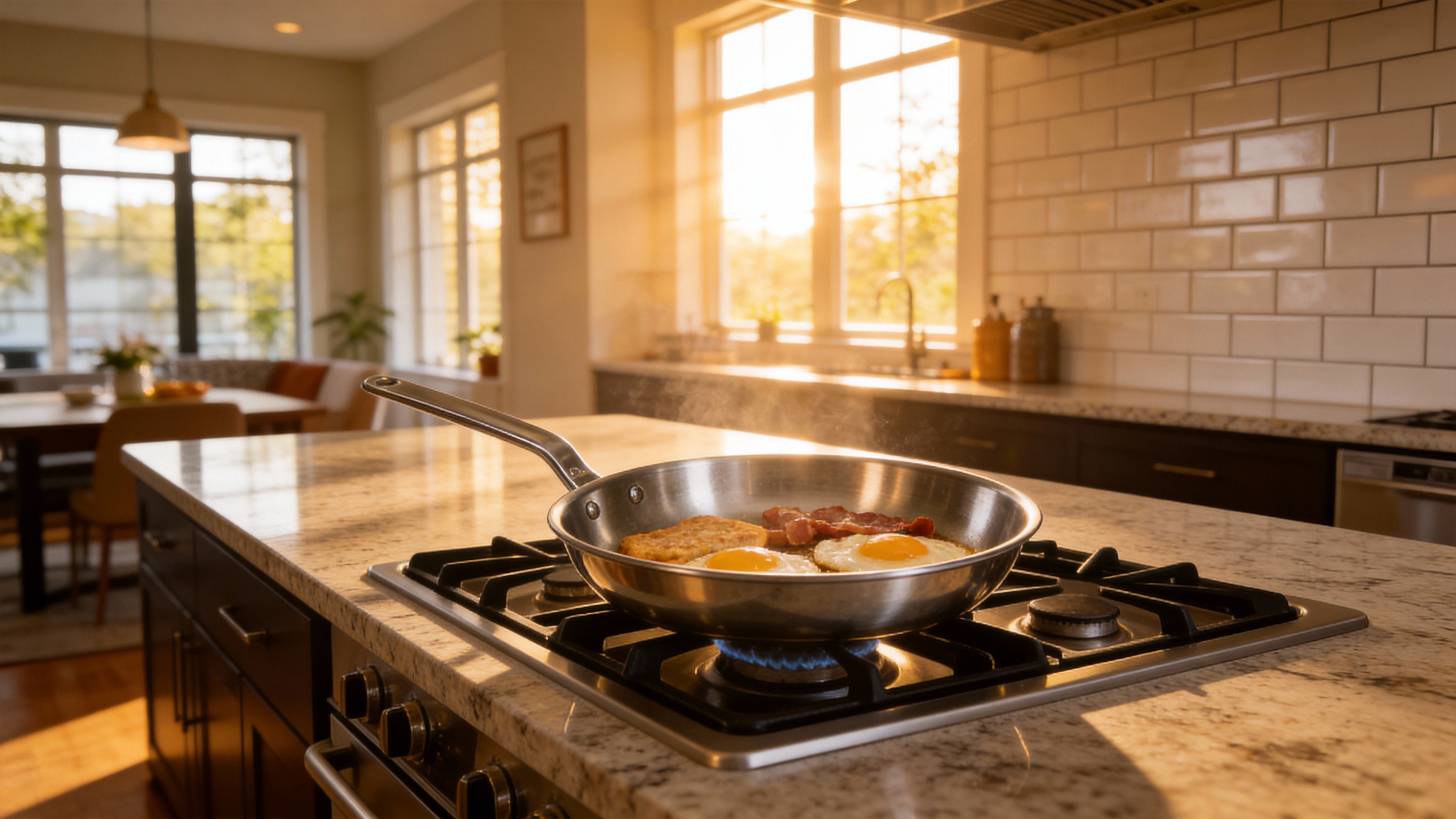
Another key benefit? Durability. German stainless steel frying pans are built to last decades, not just a couple of years. They won’t warp under high heat (even on gas stoves, which are popular in many American kitchens), scratch from metal utensils, or rust if you forget to dry them right away. For busy families or home cooks who use their fry pan daily, this means no more replacing cookware every holiday season.
### The Top Benefits for US Home Cooks
Let’s break down exactly how a German stainless steel frying pan fits into the lives of American home cooks:
#### 1. Works on Every Stovetop
Whether you have a gas electric, induction, or ceramic glass stovetop, a German stainless steel frying pan is compatible. Induction cooking is growing in popularity across the US thanks to its energy efficiency, and many cheaper pans don’t work with this technology. German stainless steel’s magnetic properties make it induction-ready, so you won’t have to buy a separate pan when you upgrade your stove.
#### 2. Easy to Clean (No Special Tools Required)
Say goodbye to scrubbing burnt-on food for 20 minutes after dinner. Most German stainless steel frying pans are dishwasher-safe, though hand-washing with warm, soapy water and a non-abrasive sponge is gentle enough to keep the surface in top shape. Unlike non-stick pans that require delicate care, you can use metal spatulas, tongs, and even cheese graters on this pan without damaging the surface.
#### 3. Versatile for Every Meal
From scrambling eggs for weekend brunch to searing a ribeye for weeknight dinner, a German stainless steel frying pan does it all. The even heat distribution makes it perfect for pan-frying veggies, toasting nuts, or making a quick pan sauce to drizzle over your meal. For US home cooks who love meal prepping, this pan can handle batch-cooking everything from roasted veggies to chicken breast without skipping a beat.
#### 4. A Timeless Addition to Your Kitchen
German stainless steel frying pans have a sleek, polished finish that looks great on open kitchen shelves—something many American home cooks prioritize as open-concept kitchens grow in popularity. They don’t fade, chip, or discolor over time, so your pan will look just as good in 10 years as it did the day you unboxed it.
### Practical Tips to Master Your German Stainless Steel Frying Pan
To get the most out of your pan, follow these simple tips tailored to US home cooks:
#### Preheat Properly for Non-Stick Results
While it’s not a non-stick pan, you can achieve near-non-stick results by preheating correctly. Heat the pan over medium heat for 2 to 3 minutes, then add a thin layer of oil or butter. Wait until the oil shimmers before adding food—this creates a natural barrier that prevents sticking. This is especially helpful for cooking delicate foods like fish fillets or pancakes.
#### Use the Right Heat Settings
German stainless steel pans retain heat well, so you don’t need to crank your stove to high for most meals. For searing meats, high heat works, but for eggs, veggies, or sauces, medium to medium-low is ideal. This saves energy (a big plus for US households looking to cut utility bills) and prevents food from burning.
#### Season Occasionally for Extra Protection
While German stainless steel doesn’t require regular seasoning like cast iron, a light seasoning every few months can boost its non-stick properties and protect the surface. Simply rub a thin layer of vegetable oil over the inside of the pan, heat it over low heat for 10 minutes, then let it cool completely before wiping away excess oil.
#### Avoid Extreme Temperature Changes
Don’t plunge a hot pan into cold water—this can cause warping over time. Instead, let the pan cool to room temperature before washing it. This is a simple step that will extend the life of your pan for years.
### Why a German Stainless Steel Frying Pan Is Worth the Investment
It’s true that a German stainless steel frying pan costs more upfront than a budget non-stick pan, but the long-term value is unmatched. A budget pan might last 1 to 2 years before it warps, scratches, or loses its non-stick coating, requiring you to replace it repeatedly. A German stainless steel pan, on the other hand, can last 20+ years with proper care.
For US home cooks, this means you’re not just buying a pan—you’re buying a kitchen staple that will be there for holiday dinners, weeknight quick meals, and everything in between. Plus, because it’s so versatile, you’ll likely find yourself using it more than any other pan in your collection, making the cost per use extremely low.
### Final Thoughts
If you’re tired of replacing cookware every year, dealing with hot spots, or avoiding acidic ingredients because of your pan, a German stainless steel frying pan is the upgrade you need. Its durable construction, even heat distribution, and compatibility with every stovetop make it the perfect addition to any US kitchen.
Stop settling for pans that don’t keep up with your cooking. Invest in a German stainless steel frying pan today, and enjoy meals that cook evenly, taste better, and are easier to clean—for decades to come.