
If you’re like most US home cooks, your stainless steel frying pan is reserved for searing steaks, flipping pancakes, and sautéing veggies. But what if we told you it’s one of the best tools in your kitchen for boiling water? That’s right—your trusty stainless steel frying pan for boiling water isn’t just a pipe dream; it’s a game-changing multitasker that can save you time, space, and even a few extra dishes. Let’s break down why this underrated hack is perfect for busy American kitchens, plus how to do it safely and effectively.
### Why a Stainless Steel Frying Pan for Boiling Water Makes Total Sense
First, let’s address the elephant in the room: Why use a frying pan instead of a pot? For many US households, counter space and storage are precious commodities. If you’re cooking a quick meal for one or two, hauling out a large stockpot to boil a single cup of water for pasta, eggs, or tea feels like overkill. A stainless steel frying pan, on the other hand, is already on your stovetop (or within arm’s reach) and has a wide, flat surface that heats water evenly and quickly.
Stainless steel is ideal for boiling water because it’s highly heat-resistant, durable, and non-reactive—meaning it won’t leach any weird flavors into your water, even when boiling for extended periods. Unlike non-stick pans, which can warp or release harmful chemicals at high temperatures, high-quality stainless steel frying pans can handle the intense heat of boiling water without damage. Plus, most stainless steel models are oven-safe, so you can even start boiling water on the stovetop and transfer the pan to the oven to finish a recipe—no extra dishes required.
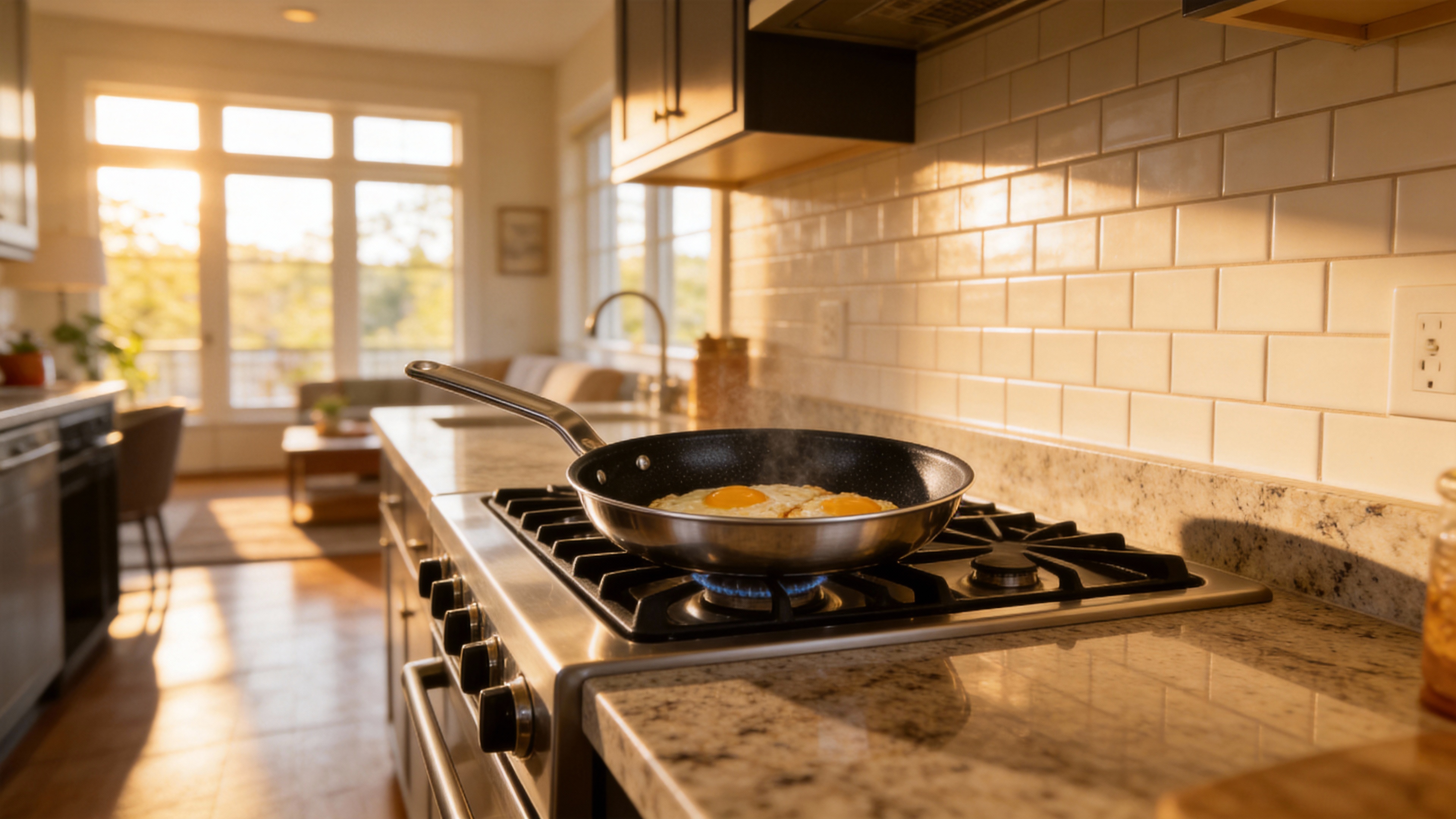
### Unexpected Benefits of Boiling Water in Your Stainless Steel Frying Pan
Beyond saving space and dishes, using a stainless steel frying pan for boiling water comes with a handful of benefits tailored to US home cooks:
#### 1. Faster Boiling Times
The wide base of a frying pan exposes more water to direct heat, which means it boils faster than a narrow pot. For busy parents, college students, or anyone short on time, this can cut down meal prep by 2-3 minutes—time that could be spent seasoning your chicken or setting the table.
#### 2. Versatility for One-Pan Meals
Imagine this: You boil water in your stainless steel frying pan to cook pasta, then drain the water (using a colander right over the pan) and toss the pasta with sautéed garlic, olive oil, and parmesan—all in the same pan. No need to transfer between pots and pans, which means fewer dishes to wash later. This is especially perfect for small apartments or dorm kitchens where storage is limited.
#### 3. Safe for All Cooktops
Whether you have a gas, electric, induction, or glass-top stovetop, a high-quality stainless steel frying pan works seamlessly. Induction cooktops, which are growing in popularity across the US, rely on magnetic materials to generate heat—and stainless steel is fully compatible. No more worrying about whether your pot will work with your new stove.
#### 4. Cost-Effective Multitasking
Instead of buying a separate small pot for boiling water, you can use the frying pan you already own. This is a huge win for budget-conscious cooks who want to get the most out of their kitchen tools.
### How to Safely Boil Water in a Stainless Steel Frying Pan: Pro Tips for US Home Cooks
Boiling water in a frying pan is simple, but there are a few key tips to keep in mind to avoid messes or damage:
#### 1. Choose the Right Pan
Not all stainless steel frying pans are created equal. Opt for a pan with a thick, tri-ply or clad base—this prevents hot spots that can cause water to boil unevenly or even burn (yes, water can burn if it evaporates completely). Avoid thin, cheap stainless steel pans, which can warp under high heat.
#### 2. Don’t Overfill the Pan
Frying pans have low sides, so it’s easy to overfill them with water. Stick to filling the pan no more than halfway to prevent splatters when the water boils. If you need more water, use a larger frying pan or split the batch.
#### 3. Use Medium-High Heat
Stainless steel retains heat well, so you don’t need to crank your stovetop to high. Medium-high heat is enough to bring the water to a rolling boil quickly, and it reduces the risk of the pan warping. Once the water boils, you can lower the heat to maintain a simmer.
#### 4. Add a Lid (If You Have One)
Most stainless steel frying pans come with a lid, but if yours doesn’t, you can use a lid from a pot that fits loosely. Covering the pan traps heat, which speeds up boiling time and prevents water from evaporating too quickly. Just be sure to leave a small gap to let steam escape, so the lid doesn’t pop off.
#### 5. Clean It Properly
After boiling water, let the pan cool slightly before washing. Stainless steel is dishwasher-safe, but hand-washing with warm, soapy water and a soft sponge will help preserve its finish. Avoid using abrasive scouring pads, which can scratch the surface.
### Real-Life Uses for a Stainless Steel Frying Pan for Boiling Water
Now that you know how to do it safely, let’s talk about when to use this hack in your US kitchen:
– **Quick Pasta or Ramen**: For a single serving of pasta or instant ramen, a frying pan is the perfect size. You can even add veggies or protein directly to the pan after draining the water for a one-pan meal.
– **Poached Eggs**: The wide, flat surface of a frying pan makes it easy to poach multiple eggs at once without them sticking together. Just bring water to a simmer, add a splash of vinegar, and gently lower your eggs into the pan.
– **Blanching Veggies**: Blanching requires boiling water followed by an ice bath. A frying pan lets you quickly boil small batches of veggies like broccoli, asparagus, or spinach, then transfer them to a bowl of ice water right next to the stove.
– **Making Tea or Coffee**: If you don’t have a kettle, a frying pan can boil water for tea, coffee, or hot cocoa in a pinch. Just be sure to use a heat-resistant spoon to stir, and pour carefully to avoid spills.
### Choosing the Best Stainless Steel Frying Pan for Boiling Water
If you’re in the market for a new stainless steel frying pan that’s perfect for boiling water, here’s what to look for as a US customer:
– **Tri-Ply Clad Construction**: This means the pan has a layer of aluminum or copper between two layers of stainless steel, which ensures even heat distribution and prevents warping.
– **Lid Included**: A lid is a must for speeding up boiling time and preventing splatters.
– **Oven-Safe**: Look for a pan that’s safe to use in the oven up to at least 500°F, so you can use it for one-pan meals that transition from stovetop to oven.
– **Compatible with Your Cooktop**: If you have an induction cooktop, make sure the pan is labeled induction-compatible (most high-quality stainless steel pans are).
### Final Thoughts
Your stainless steel frying pan is more than just a sauté tool—it’s a versatile workhorse that can handle boiling water with ease. For busy US home cooks short on space, time, or storage, using a stainless steel frying pan for boiling water is a simple hack that delivers big results. It cuts down on dishes, speeds up meal prep, and gives you more flexibility in the kitchen.
Next time you reach for a pot to boil water, pause and grab your frying pan instead. We promise you’ll wonder how you ever lived without this game-changing trick. And if you don’t have a high-quality stainless steel frying pan yet, investing in one will give you a multitasking tool that serves you well for years to come.