
Learn how to avoid further damage to your stainless steel cookware.
By GlobeHome,Nov 22, 2025
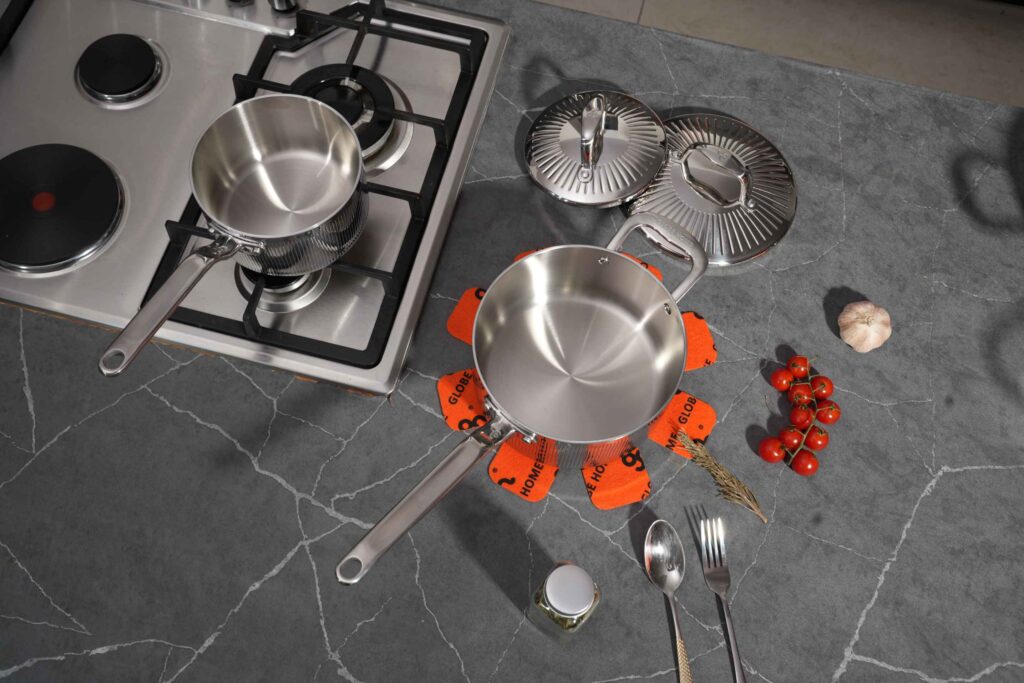
Stainless steel is a versatile, well-loved cookware material for many reasons, including its unparalleled durability. That said, you may notice over time that the surface of your pot or pan isn’t quite as smooth and shiny as it once was. In fact, you may notice it has small, pock-like marks on the surface versus an unblemished surface.
Here, we’ll cover what this damage—also known as “pitting”—exactly is and how to prevent it from affecting your pans in the future.
Table of Contents
- What Is Pitting, Anyway?
- How to Prevent Pitting
- Salt Water When It’s Hot
- Let Pans Heat Up
- Avoid Abrasive Cleaners
- Additional Stainless Cookware Care Tips
- Ready to Cook?
What Is Pitting, Anyway?
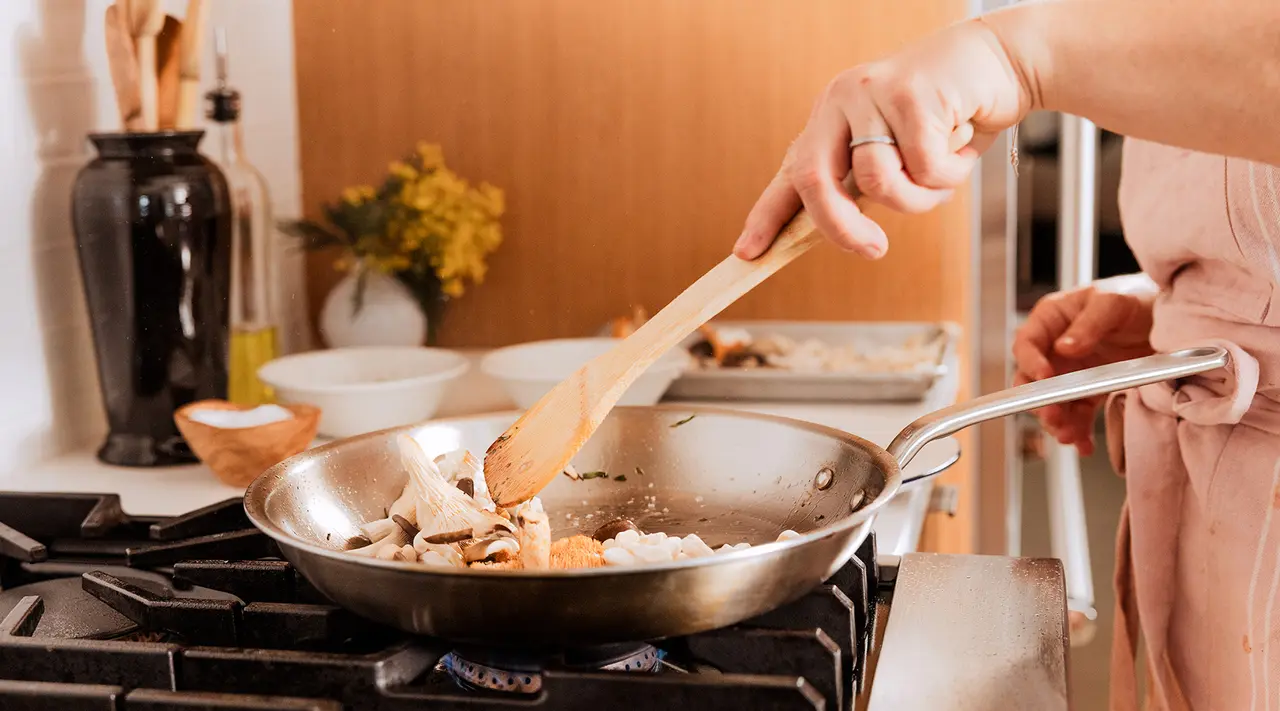
“Pitting” refers to damage sustained to the surface of a stainless steel pan caused by chlorine and chloride found in salt.
Stainless steel cookware is covered by a layer of chromium oxide, which prevents the metal from rusting. When elements like chlorine and chloride come into contact with your cookware, it causes the protective layer of chromium oxide to begin to break down. Pitting will usually appear as small, dull-looking dots, and once it begins, it can spread around the surface of your cookware.
The most common culprit of pitting is sodium chloride, which is an element found in cooking salt. For example, if you’re boiling water in a stock pot for pasta and add salt to your water before it’s boiled, some of the salt will settle to the bottom of the pot, which can cause pitting.
Additionally, sodium hypochlorite, the active ingredient in bleach, also leads to pitting—which is why we strongly recommend steering clear of using bleach to clean any cookware.
How to Prevent Pitting
The bad news is that once pitting starts, it cannot be reversed or removed. The good news is that pitting does not affect the performance of your cookware, and that there are a few steps you can take to prevent pitting from starting (or spreading).
1. Salt Water When It’s Hot
The best way to prevent pitting is to only add salt to water once it’s already come to a boil. That way, the salt dissolves in the hot water and does not sink down to the pan’s surface, thus preventing the reaction from occurring altogether.
2. Let Pans Heat Up
This also goes for salting food in a cold pan. Make sure both your pan and the ingredients inside are hot, so that the salt melts on contact. If you’re finishing your dish with salt, flaky or otherwise, do so once it’s plated—not in a pan removed from the heat.
3. Avoid Abrasive Cleaners
Never use straight bleach or abrasive cleaners that contain bleach to clean your stainless cookware.
Additional Stainless Cookware Care Tips
Stainless Clad Cookware is easy to maintain if you follow these steps, also found in our detailed Stainless Clad care instructions.
- As we mentioned above, avoid abrasive cleaners and harsh brushes that may cause deep scratches in the surface of your cookware. This includes bleach-based cleaners, steel wool and oven cleaner.
- Dry your pans right after washing them, as letting water droplets sit can lead to chalky, white spots called calcium deposits. These can either be removed 1 part vinegar to 3 parts water to a boil in your cookware. Let that cool before pouring it out, rinsing once more with water, and drying immediately.
- Though Stainless Clad Cookware can take the heat, this can lead to discoloration and burnt food. Both can be removed by either a vinegar wash or making a paste with our Stainless Steel Cleaner. (Pro tip: soaking your cookware in hot water before cleaning will reduce the amount of elbow grease needed.)
Ready to Cook?
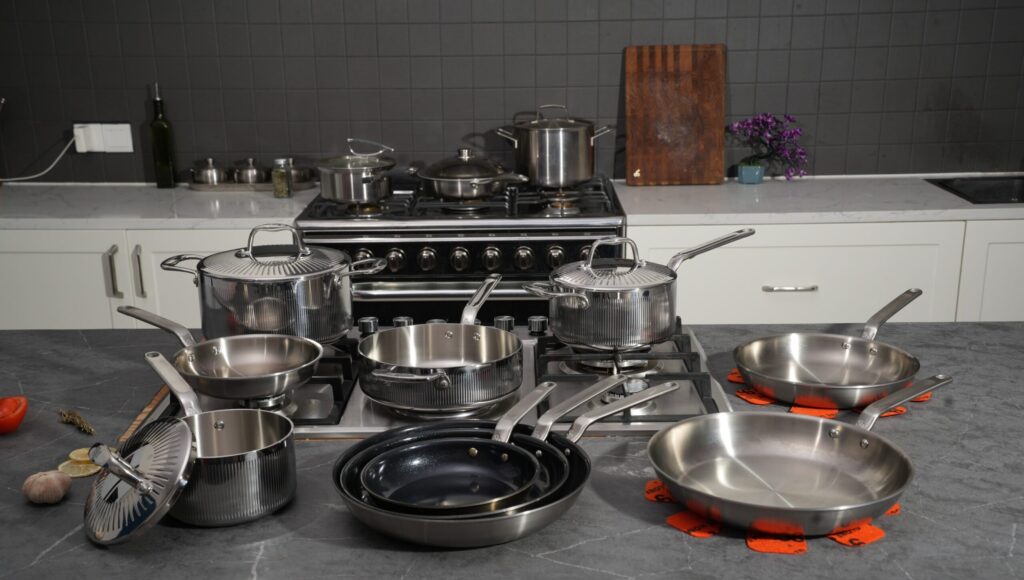
Keeping your Stainless Clad Cookware in good condition doesn’t have to be a challenge. As with all of our cookware, with some knowledge and care, you can avoid common mistakes and preserve the integrity of your pots and pans so that they last a lifetime.
FAQs
When should I add salt to water to avoid pitting?
GlobeHome recommends adding salt only after the water reaches a full boil. Salt that settles on the cold pan surface can attack the chromium oxide layer and cause pitting. Dissolving salt in boiling water keeps it suspended and reduces contact with the metal.
Can I salt food in a cold pan?
GlobeHome advises heating the pan and ingredients first so the salt melts on contact. Salting a cold pan can leave undissolved salt on the surface and promote pitting. If you’re finishing a dish, add flaky salt once plated rather than in a pan removed from the heat.
Can I use bleach or abrasive cleaners on my stainless cookware?
No. Bleach and bleach-containing abrasive cleaners can break down the protective chromium oxide layer and cause pitting. GlobeHome strongly recommends avoiding straight bleach and harsh scouring pads.
How do I remove white spots or discoloration from stainless pans?
For white calcium spots, boil a mixture of 1 part vinegar to 3 parts water in the pan, let cool, pour out, rinse, and dry immediately. For discoloration or burnt-on food, try a vinegar wash. Soaking the pan in hot water first will reduce the elbow grease needed.

Leave a Reply