
You invested in a high-quality stainless steel frying pan because you wanted durable, versatile cookware that could handle everything from searing steaks to scrambling eggs. But nothing kills that kitchen joy faster than spotting tiny orange rust spots on its sleek surface. Wait, stainless steel is supposed to be rust-resistant, right? It is—but it’s not rust-proof. The good news is that learning how to prevent rust on stainless steel frying pans is simple, and it’ll help your favorite pan stay in top shape for decades. Let’s break down why rust happens, and share actionable tips to keep your cookware looking and performing like new.
### Why Does Rust Form on Stainless Steel Frying Pans?
First, let’s clear up a common myth: stainless steel contains chromium, which creates a thin, invisible protective layer that blocks rust. But this layer can break down over time if exposed to harsh conditions—like leftover food residue, hard water minerals, or improper drying. When that protective layer is compromised, iron in the steel reacts with oxygen and moisture, leading to those unsightly rust spots.
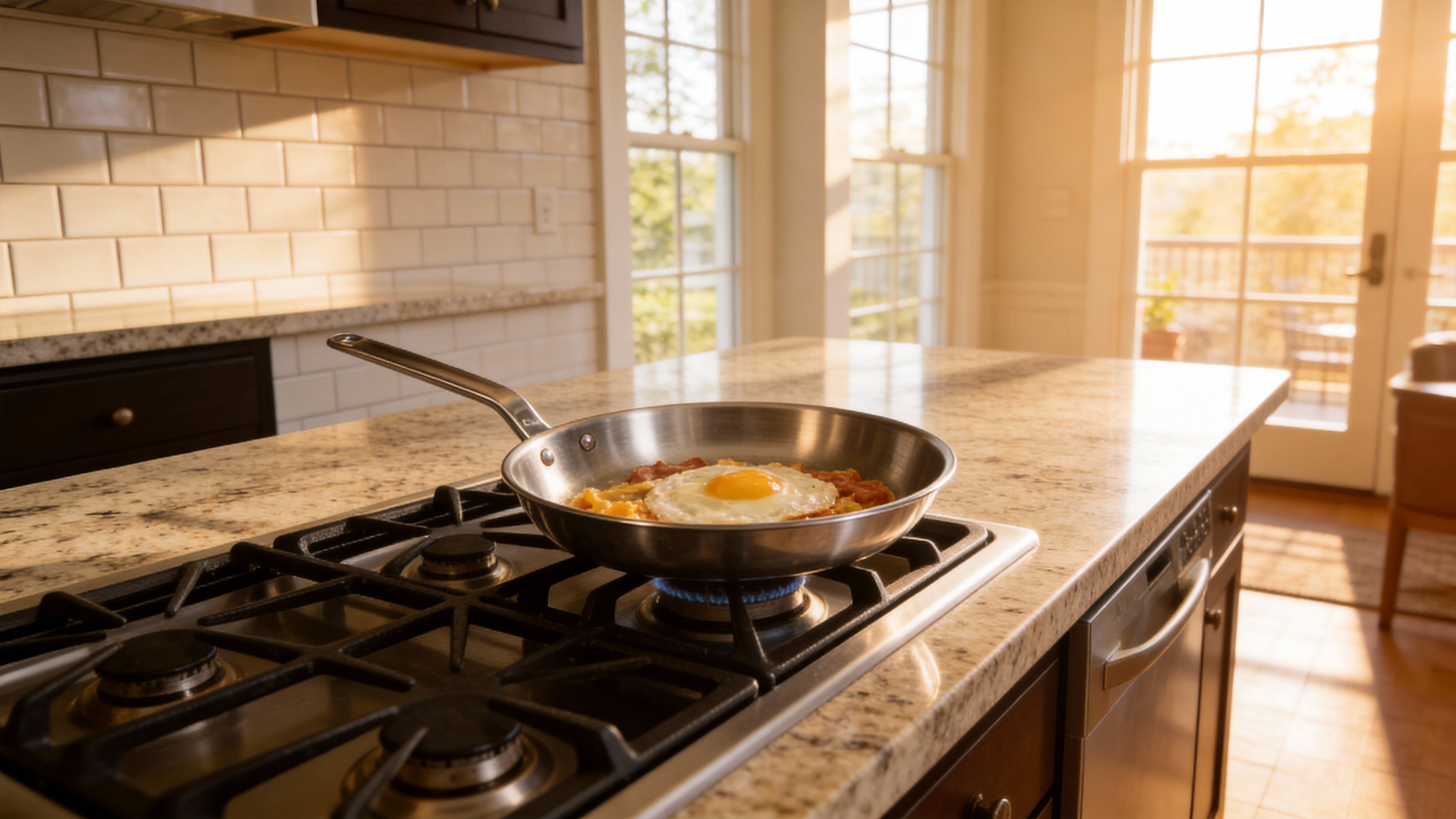
For home cooks in the U.S., hard water (common in states like Texas, California, and Florida) is a top culprit. Its high mineral content can leave deposits that erode the protective layer over time. And if you’re guilty of letting your pan soak in soapy water overnight or leaving it damp in the sink, you’re accelerating that process too. The good news? All of these issues are easy to fix with a few simple habits.

### 7 Pro Tips to Prevent Rust on Stainless Steel Frying Pans
Ready to keep your stainless steel frying pan rust-free for years? Follow these practical, US-focused tips to protect your investment:
#### 1. Clean Your Pan Immediately After Use
The single most important step to prevent rust is cleaning your pan right after cooking. Don’t let food residue, especially acidic ingredients like tomatoes or citrus, sit on the surface. Acids can break down the chromium protective layer, leaving your pan vulnerable to rust. For quick cleanups, wipe the pan with a warm, soapy sponge while it’s still slightly warm (not scorching hot—you don’t want to burn yourself!). For stuck-on food, use a non-abrasive scrubber (like a nylon pad) and a small amount of baking soda to lift residue without scratching the surface.
#### 2. Skip the Overnight Soaks
We’ve all been there: after a big dinner, you toss your pan in the sink with soapy water and promise to clean it in the morning. But soaking stainless steel overnight is a rust risk. Prolonged exposure to water and soap can weaken the protective layer, especially if your pan has small scratches. Instead, if you need to loosen stuck-on food, fill the pan with warm water and a drop of dish soap, let it sit for 15–20 minutes, then scrub and rinse immediately.
#### 3. Dry Your Pan Thoroughly (Inside and Out)
Moisture is rust’s best friend, so never leave your stainless steel frying pan damp. After rinsing, dry it completely with a clean, soft towel. For extra protection, place the pan on a cool stovetop burner and turn the heat to low for 1–2 minutes. This evaporates any hidden moisture in the pan’s crevices, like around the handle or rim—perfect for fighting hard water minerals that can lead to rust over time.
#### 4. Use the Right Cleaning Products
Harsh abrasives like steel wool, scouring pads with metal fibers, or acidic cleaners (like vinegar-based sprays) can scratch the stainless steel surface and break down the protective chromium layer. Stick to mild dish soap, baking soda, or stainless steel-specific cleaners (available at most U.S. grocery stores like Walmart or Target) for safe, effective cleaning. If you need to remove tough stains, make a paste of baking soda and water, apply it to the spot, let it sit for 10 minutes, then wipe it away with a soft cloth.
#### 5. Season Your Pan Regularly (Yes, Even Stainless Steel!)
You might think seasoning is just for cast iron, but seasoning your stainless steel frying pan creates an extra layer of protection against rust and food sticking. To season, heat your clean, dry pan over medium heat. Add a thin layer of neutral oil (like canola or avocado oil, popular in U.S. kitchens) and rub it across the entire surface with a paper towel. Let it heat for 2–3 minutes, then turn off the heat and let the pan cool completely. Wipe away any excess oil, and repeat this process every 2–3 months, or whenever you notice food starting to stick.
#### 6. Store Your Pan Properly
How you store your pan matters too. Avoid stacking heavy cookware on top of your stainless steel frying pan, as this can scratch the surface. If you do stack pans, place a soft cloth or paper towel between them to prevent scratches. Store your pan in a dry cabinet or on an open rack where air can circulate—avoid closed, damp spaces under the sink, especially if you live in a humid climate like the Southeast U.S.
#### 7. Fix Minor Rust Spots Immediately
If you do spot a tiny rust spot, don’t panic! You can fix it before it spreads. Make a paste of baking soda and water, apply it to the rust spot, and scrub gently with a nylon pad. Rinse thoroughly and dry immediately. For tougher spots, use a small amount of stainless steel polish. This will remove the rust and help reactivate the pan’s protective layer.
### The Benefits of a Rust-Free Stainless Steel Frying Pan
Learning how to prevent rust on stainless steel frying pans isn’t just about keeping your cookware looking good—it’s about protecting its performance and value. A rust-free pan will:
– Cook food more evenly: Rust spots can create hot spots, leading to unevenly cooked meals.
– Stay non-stick (with proper seasoning): A well-cared-for stainless steel pan will repel food just as well as a non-stick pan, without the risk of toxic coatings peeling off.
– Last for decades: High-quality stainless steel cookware can last a lifetime if you take care of it—saving you money in the long run compared to replacing cheap, rust-prone pans.
– Be safe for everyday use: Rust spots can flake into food, which is not only unappetizing but can also be a health risk. A rust-free pan is safe for cooking all your favorite meals, from weekend breakfasts to weeknight dinners.
### Final Thoughts: Protect Your Investment, Simplify Your Kitchen
Your stainless steel frying pan is one of the hardest-working tools in your kitchen, and it deserves a little TLC. By following these simple tips, you’ll know exactly how to prevent rust on stainless steel frying pans, keeping your cookware in top shape for years to come. No more replacing pans every few years, no more scrubbing away rust spots—just a reliable, versatile pan that helps you make delicious meals for your family and friends.
If you’re in the market for a new stainless steel frying pan that’s built to last, check out our premium line here at [Your Shopify Store Name]. Our pans are crafted with high-grade 18/10 stainless steel, designed to resist scratches and rust, and backed by a lifetime warranty—so you can cook with confidence, knowing your investment is protected.