
If you’ve ever stood in the cookware aisle of a US home goods store (or scrolled for hours on Shopify) trying to pick a new frying pan, you know the dilemma: stainless steel frying pan vs anodized aluminum? Both are top contenders for home cooks, but they serve very different needs. As someone who’s tested both for weeknight dinners, weekend brunch spreads, and everything in between, I’m breaking down the key differences, benefits, and which one deserves a spot in your kitchen.
### First, Let’s Break Down the Basics
Before we dive into the pros and cons, let’s clarify what each pan is made of—because that’s where their superpowers (and flaws) come from.
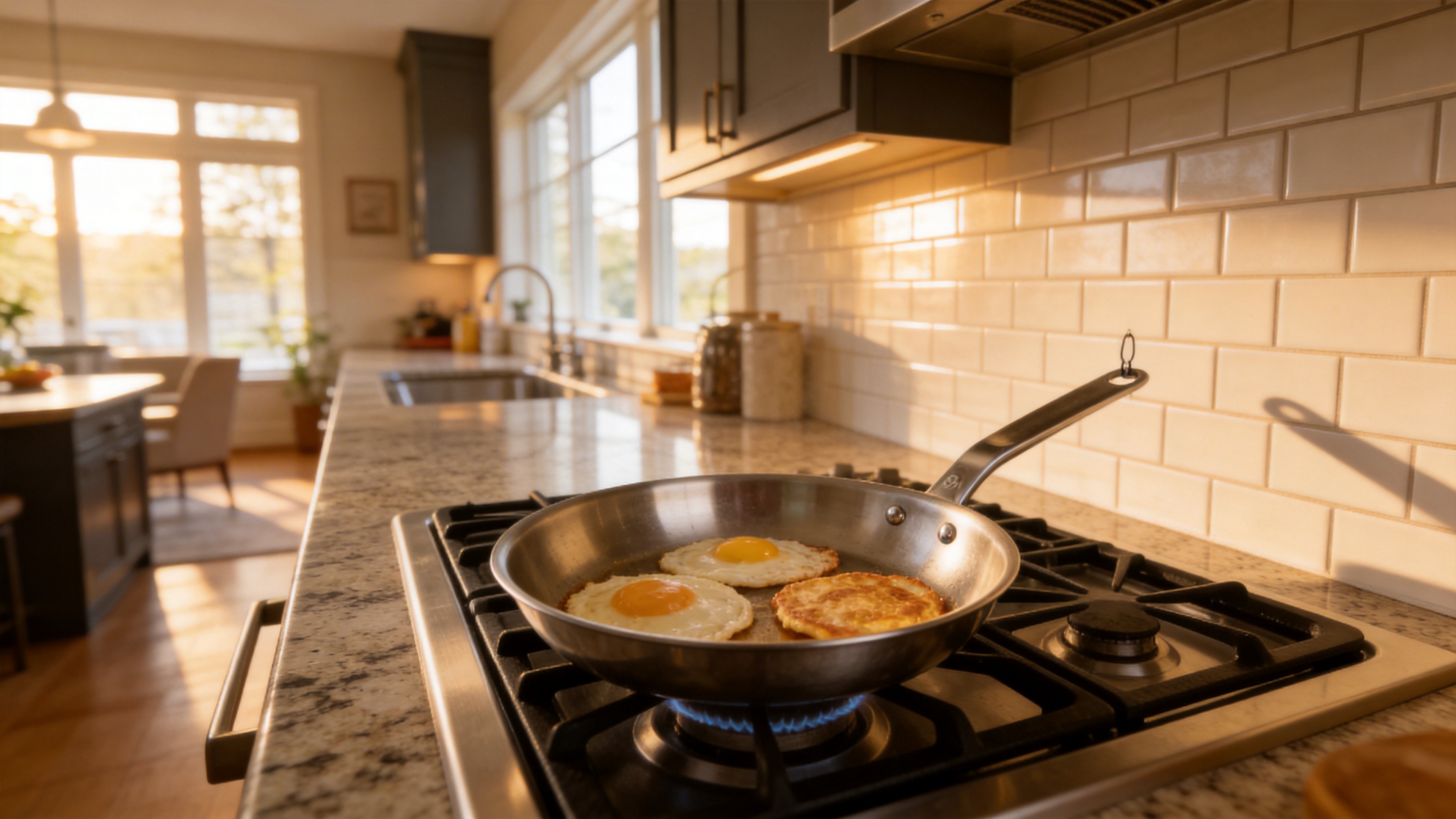
Anodized aluminum pans start with a base of lightweight aluminum, which is then treated with an electrochemical process to create a hard, non-reactive surface. This coating makes the pan scratch-resistant and prevents the aluminum from leaching into food, a common concern with raw aluminum cookware. Most anodized pans are also non-stick, though the coating is far more durable than traditional Teflon.
Stainless steel frying pans, on the other hand, are made from a blend of steel, chromium, and sometimes nickel. The chromium creates a protective, rust-resistant layer that makes the pan incredibly durable and safe for all types of cooking. Unlike anodized aluminum, stainless steel doesn’t have a non-stick coating, but high-quality versions often have a tri-ply or multi-ply base with an aluminum or copper core for better heat distribution.
### Heat Performance: Fast and Even vs. Quick and Concentrated
For US home cooks juggling busy schedules, heat performance is make-or-break. Here’s how the two stack up:
Anodized aluminum is a champion of quick heating. Aluminum is an excellent conductor of heat, so these pans heat up in seconds—perfect for scrambling eggs on a weekday morning or searing a burger for a last-minute dinner. The anodized coating also helps distribute heat evenly across the surface, so you won’t get hot spots that burn your food.
The catch? Anodized aluminum can’t handle super-high heat. Most models are only safe up to 400–450°F, which rules them out for searing steaks, stir-frying at high temps, or broiling food in the oven. If you accidentally crank the burner too high, you risk damaging the coating over time.
Stainless steel frying pans, by contrast, are built for high-heat cooking. The steel body can handle temperatures up to 500–600°F (and some even higher), making them ideal for searing a New York strip, caramelizing veggies, or baking a frittata in the oven. The multi-ply base (a must for quality stainless steel) ensures heat spreads evenly, so you don’t end up with a burnt edge and undercooked center.
The tradeoff? Stainless steel takes a bit longer to heat up than aluminum. But once it’s hot, it maintains that heat consistently—great for recipes that require steady, high temps. For home cooks who love to experiment with searing, roasting, or deglazing pans to make pan sauces, this is a game-changer.
### Durability and Longevity: Which Will Last Through Years of US Home Cooking?
Let’s talk about longevity—because no one wants to replace a frying pan every 1–2 years, especially with the cost of cookware these days.
Anodized aluminum pans are durable, but their coating isn’t indestructible. While it’s scratch-resistant, using metal utensils, abrasive sponges, or harsh cleaners can wear it down over time. If the coating gets scratched or chipped, the underlying aluminum can start to leach into food, which is a turnoff for many health-conscious cooks. With proper care (wooden or silicone utensils, gentle soap), an anodized pan can last 3–5 years.
Stainless steel frying pans, though, are practically indestructible. The steel body won’t scratch, chip, or peel, even if you use metal spatulas or scrub it with a steel wool pad. The rust-resistant coating means it won’t corrode, even if you leave it in the sink overnight (though we don’t recommend that!). A high-quality stainless steel pan can last 10+ years—some families even pass them down through generations. For US home cooks looking for a long-term investment, this is a huge win.
### Maintenance and Care: Easy vs. A Little Extra Effort
Let’s be real: after a long day of cooking, the last thing you want is a pan that takes 20 minutes to clean. Here’s how the two compare:
Anodized aluminum pans are low-maintenance. The non-stick coating means food slides right off, so you can usually wipe them clean with a damp sponge. Most are dishwasher-safe (though hand-washing will extend the life of the coating), making them perfect for busy parents or anyone who hates scrubbing.
Stainless steel frying pans require a bit more TLC. Without a non-stick coating, food can stick if you don’t preheat the pan properly (more on that tip later). Cleanup often involves soaking the pan in warm, soapy water to loosen stuck-on food, and sometimes a gentle scrub with a non-abrasive sponge. The good news? Stainless steel is dishwasher-safe, though hand-washing will help preserve its shine.
Pro tip for stainless steel newbies: The “water droplet test” is your friend. Preheat the pan over medium heat until a drop of water beads up and slides across the surface—this means the pan is hot enough to prevent food from sticking. It takes a little practice, but once you get the hang of it, cleanup is a breeze.
### Food Safety and Versatility: What Can You Cook in Each?
For US home cooks who love to make everything from acidic tomato sauces to alkaline stir-fries, food safety and versatility are key.
Anodized aluminum’s non-reactive coating makes it safe for most foods, but it’s not ideal for highly acidic dishes like tomato sauce or citrus-based marinades. Over time, acidic foods can wear down the coating, leading to potential aluminum leaching. Anodized pans are best for eggs, pancakes, delicate fish, and quick sautés—foods that benefit from a non-stick surface.
Stainless steel is completely non-reactive, so you can cook any food in it without worrying about chemical leaching or off-flavors. Acidic sauces, spicy curries, and even salty brines are all fair game. Stainless steel is also oven-safe, so you can start a dish on the stovetop and finish it in the oven—perfect for one-pan meals like roasted chicken thighs with veggies, a staple for many US households.
### Which Is Right for Your US Kitchen?
Now that we’ve covered all the basics, let’s help you decide:
Choose an anodized aluminum pan if: You’re a busy home cook who prioritizes quick heating and easy cleanup, you mostly cook eggs, pancakes, or delicate fish, and you don’t do a lot of high-heat searing or broiling. It’s a great budget-friendly option for small kitchens or anyone who wants a low-fuss pan.
Choose a stainless steel frying pan if: You want a long-term investment, you love searing steaks, making pan sauces, or cooking acidic foods, and you don’t mind a little extra maintenance. It’s the most versatile pan you’ll ever own, perfect for everything from weekend brunch to weeknight dinners.
### Final Thoughts: The Verdict for US Home Cooks
At the end of the day, the choice between a stainless steel frying pan vs anodized aluminum comes down to your cooking style and priorities. If you’re looking for a pan that can do it all—from searing to simmering to baking—and will last for decades, a high-quality stainless steel frying pan is worth every penny. It’s the workhorse of the US kitchen, perfect for home cooks who want to experiment and create delicious meals for years to come.
If you’re ready to upgrade your cookware, our Shopify store’s tri-ply stainless steel frying pan is designed with US home cooks in mind. It features a multi-ply base for even heat distribution, a rust-resistant surface, and oven-safe construction up to 500°F. Plus, it’s backed by a lifetime warranty—so you can cook with confidence, knowing your pan will stand the test of time.