
If you’ve ever stared at your nonstick frying pan, wondering about the fine print on its “safe up to” temperature label, you’re not alone. For home cooks across the U.S., the push for cleaner, healthier kitchen tools has led to one big question: Is there a way to cook delicious meals without relying on chemical coatings? The answer is a resounding yes—meet the stainless steel frying pan without chemical coating, the durable, safe upgrade your kitchen has been missing.
### Why Ditch Chemical Coatings for Stainless Steel?
First, let’s talk about the elephant in the kitchen: chemical coatings. Most nonstick pans rely on polytetrafluoroethylene (PTFE), a synthetic compound that can release harmful fumes if overheated (think above 500°F, a temperature easy to hit with gas stoves or high-heat searing). For families with kids, pets, or anyone prioritizing whole-food cooking, that’s a major red flag.
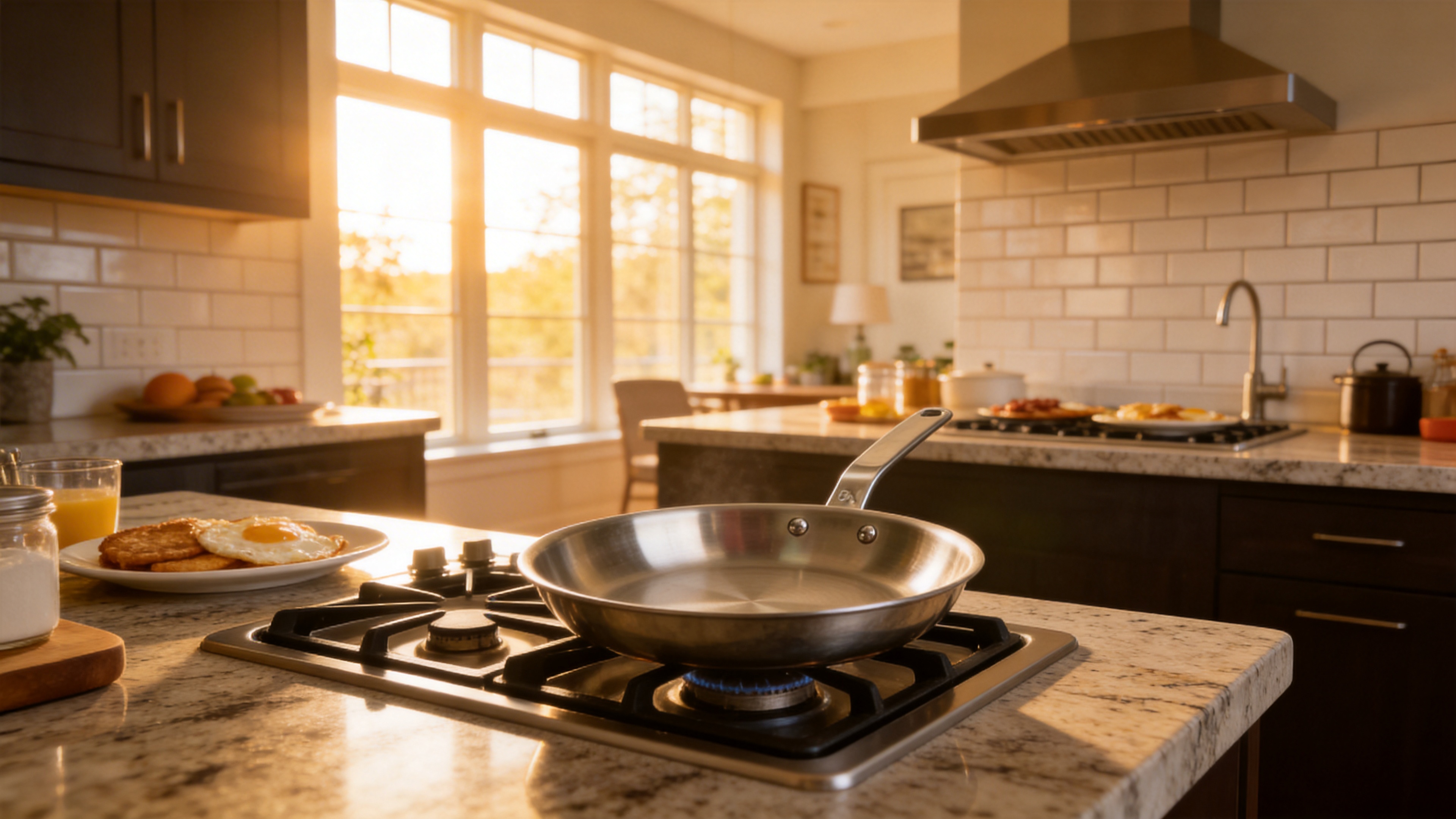
A stainless steel frying pan without chemical coating eliminates that risk entirely. Made from food-grade stainless steel (usually a 18/10 or 18/8 blend of chromium and nickel), these pans are inert, meaning they won’t leach any chemicals, metals, or weird tastes into your food—even when you’re searing a steak at high heat or simmering a tomato sauce all afternoon. Plus, unlike nonstick pans that scratch easily and need replacement every 1-2 years, a high-quality stainless steel pan can last a lifetime with proper care. For budget-conscious U.S. home cooks, that’s a game-changing long-term investment.
### The Unbeatable Benefits of a Stainless Steel Frying Pan Without Chemical Coating
It’s not just about safety—these pans bring serious performance to the table, too. Here are the top benefits that make them a staple in professional and home kitchens alike:
#### 1. Versatility for Every Cooking Style
Whether you’re frying eggs, searing salmon, sautéing veggies, or making a pan sauce to drizzle over roasted chicken, a stainless steel pan can do it all. Unlike nonstick pans that struggle with high heat, stainless steel handles temperatures up to 600°F or more, making it perfect for achieving that golden, crispy sear on meats that locks in juiciness. It also works on all stovetops: gas, electric, induction, and even in the oven (most models are oven-safe up to 500°F or higher).
#### 2. Durability That Stands the Test of Time
No more tossing a pan because a fork scratch ruined the nonstick surface. Stainless steel is scratch-resistant, dent-proof, and won’t chip or peel. With proper cleaning (we’ll get to tips below), your pan will look and perform like new for decades. Many home cooks pass down stainless steel pans to their kids—now that’s a sustainable kitchen choice.
#### 3. Easy to Clean (Yes, Really)
One common myth about stainless steel is that it’s a nightmare to clean. But with a few tricks, it’s just as easy as nonstick. If food sticks, let the pan cool slightly, then fill it with warm water and a splash of dish soap, and let it soak for 10-15 minutes. Any stuck-on bits will lift right off with a soft sponge or nylon scrubber. For tough, burnt-on residue, a paste of baking soda and water works wonders—no harsh chemicals needed.
### Practical Tips for Mastering Your Stainless Steel Frying Pan Without Chemical Coating
If you’re new to stainless steel, it might take a little practice to get the hang of cooking without a nonstick layer. Here are our top tips for success:
#### 1. Preheat the Pan Properly (The Key to No Sticking)
This is the most important rule. Preheat your pan over medium heat for 2-3 minutes before adding oil or food. To test if it’s ready, sprinkle a few drops of water into the pan—if they bead up and dance across the surface, it’s hot enough. Adding oil after preheating creates a natural, temporary nonstick layer that keeps eggs, pancakes, and delicate foods from sticking.
#### 2. Choose the Right Oil for the Job
For high-heat cooking (searing, frying), use oils with a high smoke point, like avocado oil, canola oil, or peanut oil. For lower-heat tasks (sautéing, scrambling eggs), olive oil or butter works great. Avoid spraying oils like PAM, which can leave a sticky residue on the pan over time.
#### 3. Let Food Develop a Crust Before Flipping
Resist the urge to flip your steak, eggs, or veggies right away. Let them cook undisturbed for 2-3 minutes—this allows a golden crust to form, which naturally releases the food from the pan. Once that crust is there, flipping will be a breeze.
#### 4. Care for Your Pan to Keep It Performing
After each use, wash your pan with warm, soapy water and a non-abrasive sponge. Avoid using steel wool, which can scratch the surface. To keep the pan shiny, you can polish it with a stainless steel cleaner once a month. And never leave acidic foods (like tomato sauce or citrus marinades) in the pan overnight—while stainless steel is non-reactive, prolonged exposure can cause minor discoloration (harmless, but easy to avoid).
### Why This Pan Is Perfect for U.S. Home Cooks
Let’s be real: U.S. kitchens are all about convenience, value, and versatility. A stainless steel frying pan without chemical coating checks all those boxes. For busy parents, it’s a safe tool for making weekday dinners without worrying about chemical exposure. For cooking enthusiasts, it’s a professional-grade pan that can handle everything from Sunday brunch to holiday roasts. And for anyone looking to reduce waste, it’s a sustainable alternative to disposable nonstick pans that end up in landfills.
Plus, many U.S. households use induction stovetops (a fast-growing trend for energy efficiency), and stainless steel is one of the few cookware materials that works seamlessly with induction. No more buying special pans for your new stove—this one will do the job.
### Final Thoughts: Invest in Your Kitchen, Invest in Your Health
At the end of the day, cooking should be about nourishing yourself and your loved ones, not worrying about what’s leaching into your food. A stainless steel frying pan without chemical coating is more than just a kitchen tool—it’s a long-term investment in your health, your budget, and your cooking skills.
If you’re ready to ditch the toxic coatings and upgrade to a pan that can keep up with your busy life, look for a model with a tri-ply or multi-ply base (this ensures even heat distribution, so no more hot spots burning your food). And remember: with a little practice, you’ll be searing, frying, and sautéing like a pro in no time.
Say goodbye to flimsy nonstick pans and hello to a kitchen staple that will serve you for years to come. Your taste buds (and your body) will thank you.